
Home / Your spine in 3D
How we explain thingsYour spine, in 3D.
Most offices point at a poster. Dr. Boss turns a model of the spine around on a screen, lifts out the vertebra he is talking about, and shows you the nerve running past it. Try it yourself below.
Drag to rotate. Click a vertebra to lift it out.Book a visit →
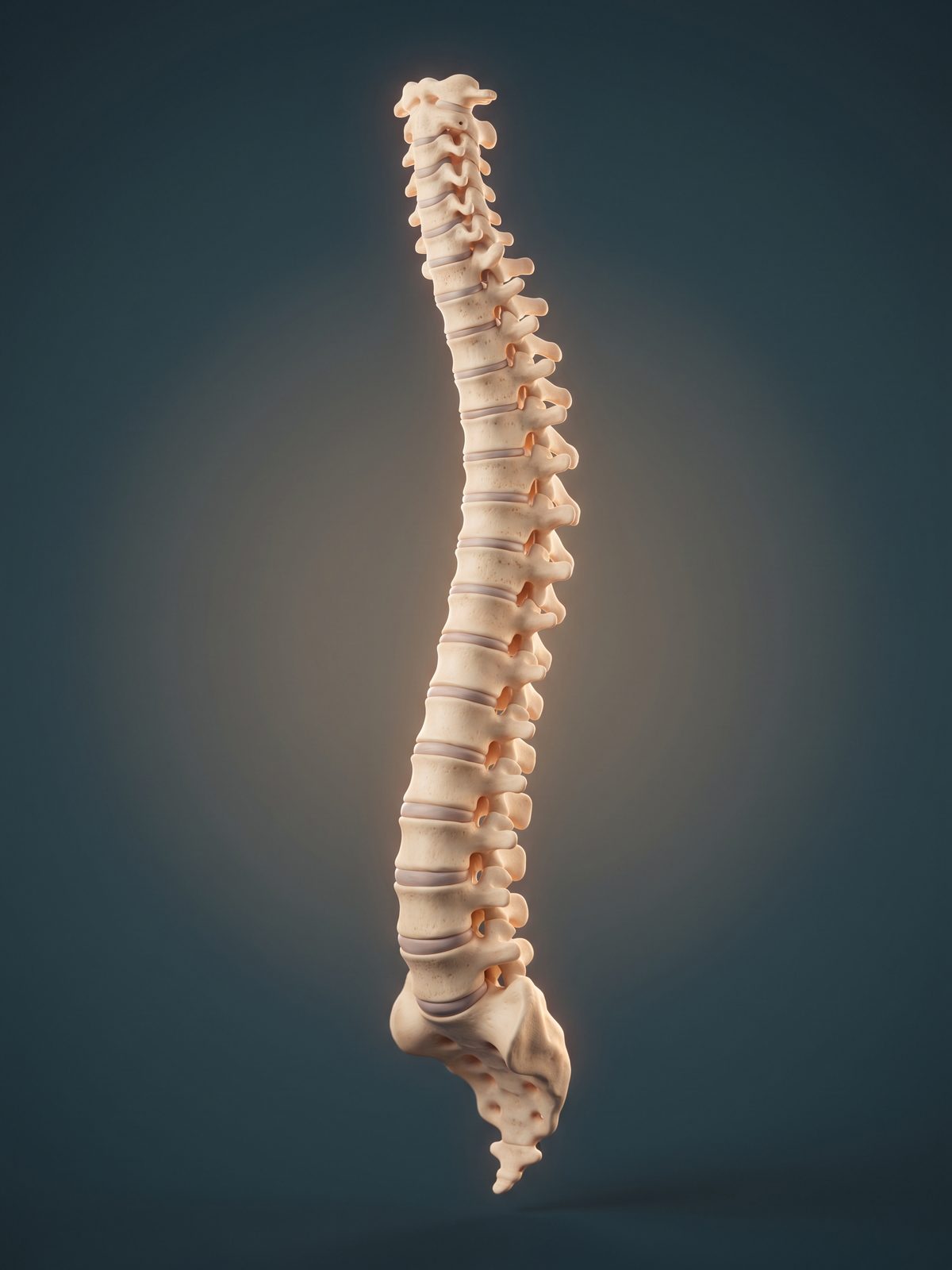
What the model is.
It is an interactive, anatomically accurate model of the human spine that runs in a browser. You can rotate it, look at it from any angle, pull a single vertebra out of the stack to see what sits behind it, and follow the nerve roots as they leave the spinal cord.
It covers the whole spine, from the small bones at the base of the skull down through the low back and pelvis. Layers can be turned on and off, so a disc can be looked at on its own, or in place with the bone and nerve around it.
This is the same model that is on the screen during your visit. Nothing is held back for the office version.
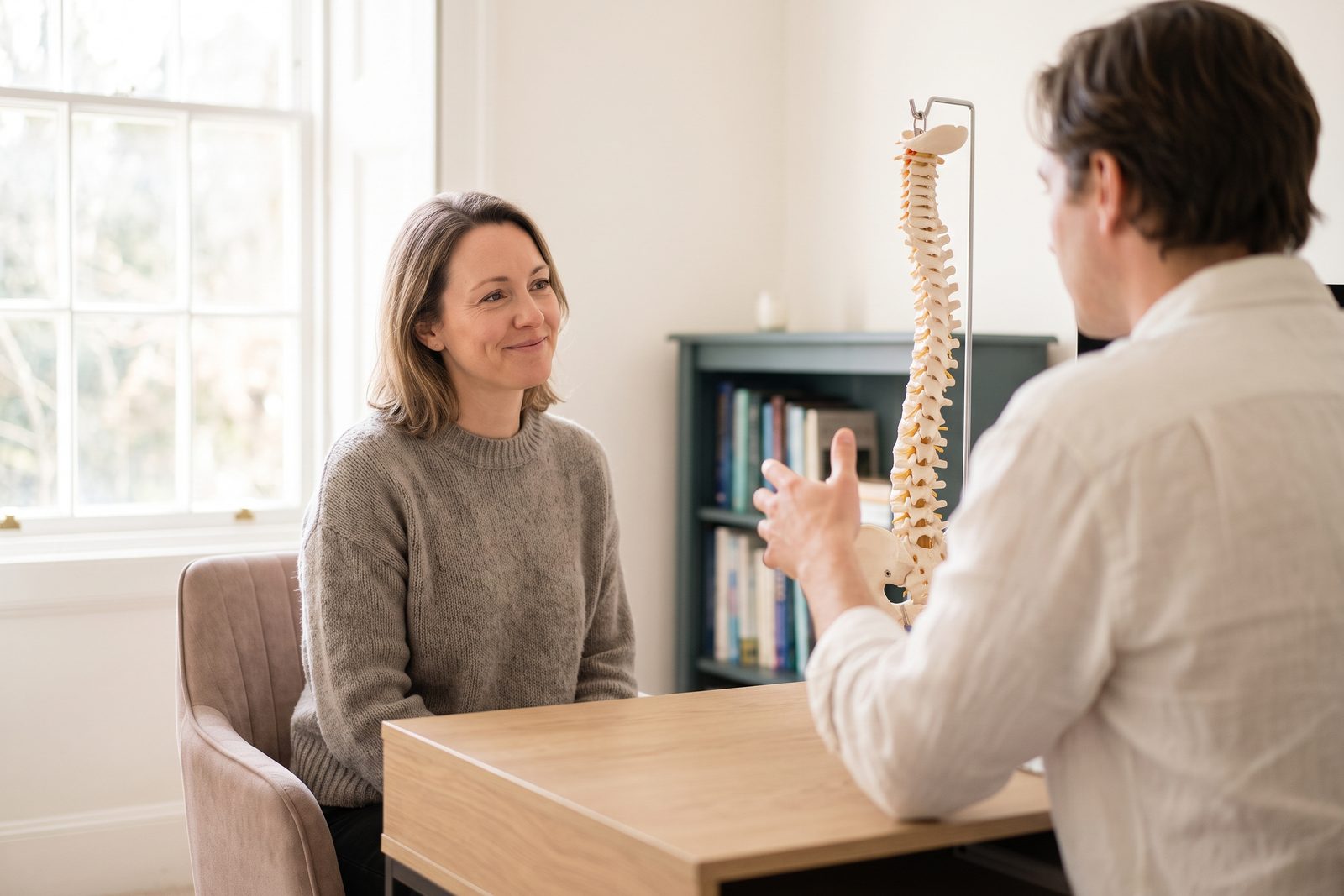
How Dr. Boss uses it at the table.
The model comes out after the exam, not before. Dr. Boss asks his questions, watches how you move, feels which joints have stopped moving, and tests the nerves in your arms or legs. By then he has a good idea what is going on.
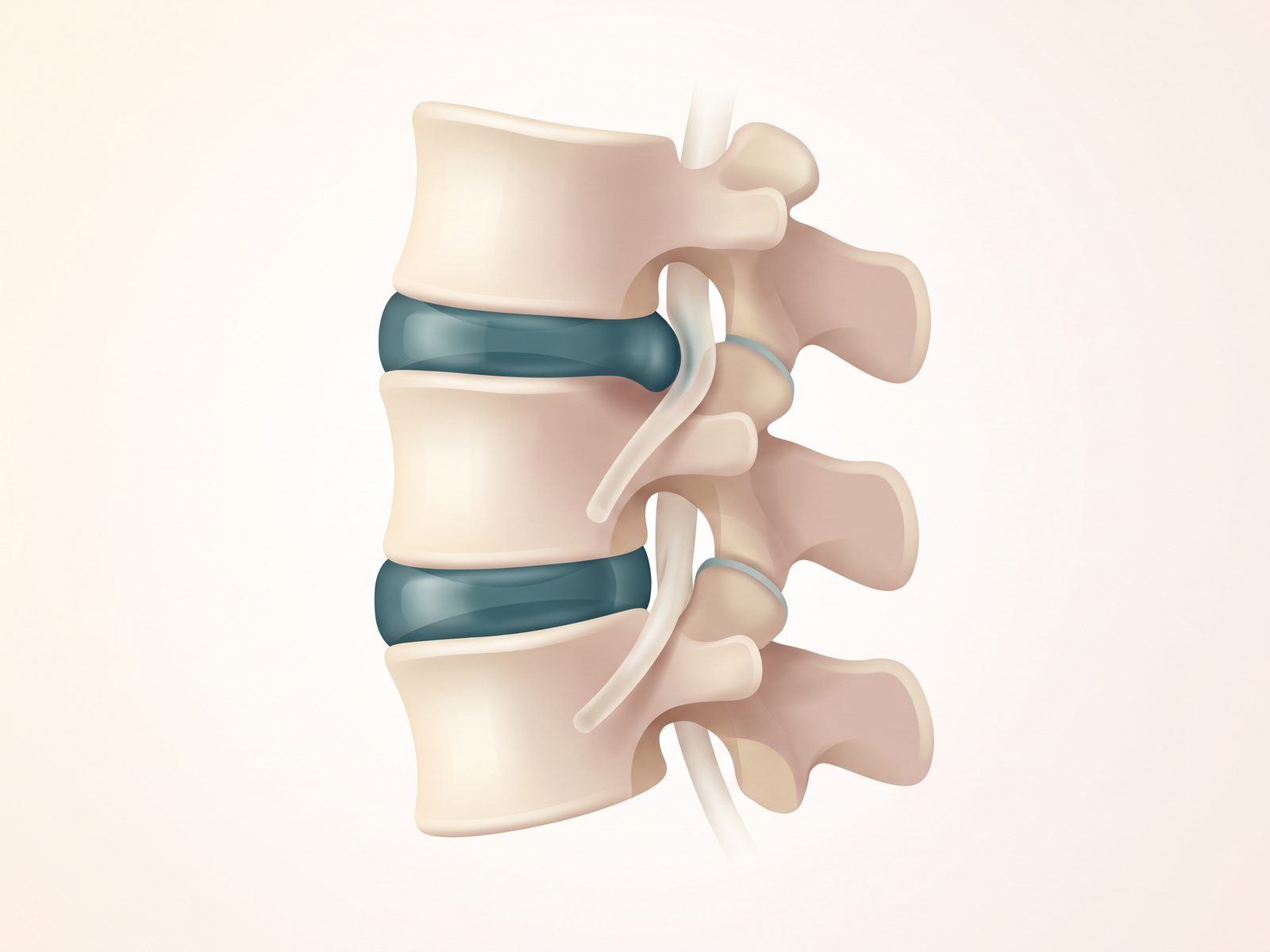
Then he turns the screen toward you. He finds the level he thinks is the problem, spins it so you are looking at it from the angle that makes sense, and shows you the parts involved. If a disc is pressing on a nerve root, he lifts the vertebra away and points at the nerve. If a joint at the base of your neck has locked up, he shows you which one and what it is supposed to do.
Then he explains the plan against that picture. This is the level we are working on. This is why we are using decompression instead of only adjusting. This is why the stretch he is sending home matters more than it sounds like.
Why seeing it changes what you do about it.
Back pain is invisible. You feel it, but you cannot see the thing causing it, so it stays vague. Vague problems are easy to ignore, and easy to give up on when the third week of exercises gets boring.
People behave differently once the problem has a shape. When you have seen which disc is under load, you sit differently in the car. When you have watched the nerve run past the joint that has stopped moving, the pain going down your leg stops feeling random and starts making sense. When you know what your plan is actually doing, you do the home exercises on the day you feel fine, which is exactly the day they matter most.
That is the whole reason the model is here. A patient who understands their spine follows the plan, and a plan that gets followed works.

Have a look before you come in.
Spend a few minutes with it. Find the part of your back that hurts. Turn it around and look at what is packed in there. You will walk into your first visit already knowing some of the words, which makes the rest of the hour go further.
The smaller version of this model also sits on the back pain, herniated disc and sciatica pages, set to the part of the spine each one is about.
The model is a teaching tool, not a picture of you. It shows you what your kind of problem looks like in a normal spine. Your exam, and imaging when it is needed, is how we know what is happening in yours.
Where to go next
This page is general information, not medical advice. What is right for you depends on your exam. Dr. Boss will tell you straight whether we can help, and where to go if we cannot. Anatomy: BodyParts3D / Z-Anatomy, CC BY-SA
See your own spine before we ever touch it.
An hour, an exam, and a plan you can picture.
Book your first visit